nail buffer
- two buffers included
- dual grit: 180 and 100
- better hold, longer wear
description
A manicure is only as good as the nail underneath. The buffer evens out the surface and takes off the shine your gel polish would otherwise slide on, while staying gentle on the natural nail.
Two sides, two jobs: 180 smooths the nail plate, 100 handles stuck cuticle residue. Two in the pack, so there's always one where you need it. Prep it once, properly, and everything you apply after holds on longer.
application
Gently buff the nail surface before application, with extra attention around the cuticle area. Use the 180 side, the one with the logo, on the nail plate, the 100 side for stuck cuticle residue. Remove all dust before moving on to prep. After a soak-off removal, the 180 side also takes off any last residue.
benefits
frequently asked questions
Why do I need to buff my nails before gel polish?
Buffing takes the shine off the nail plate and evens the surface, so your base coat has something to hold on to. It's the difference between a manicure that lifts on day three and one that lasts the full run.
Which side of the buffer do I use?
The 180 side smooths the nail plate: light, straight movements over the surface. The 100 side handles stuck cuticle residue: small circular movements around the cuticle area. The logo sits on the 180 side, which also takes off any last residue after a soak-off removal. Remove all dust afterwards, always.
Will buffing damage or thin my nails?
Not the way it's meant to be done. A few gentle passes before each manicure is all the surface needs: you're taking off the shine, not layers of nail. Buff lightly, once per manicure, and your nails stay intact.
Can I skip buffing?
You can, but your manicure will notice. An unbuffed nail plate is smooth and slightly greasy, exactly what gel polish struggles to bond with. If your manicures lift early, skipped buffing is one of the usual suspects.
most loved


glass 03
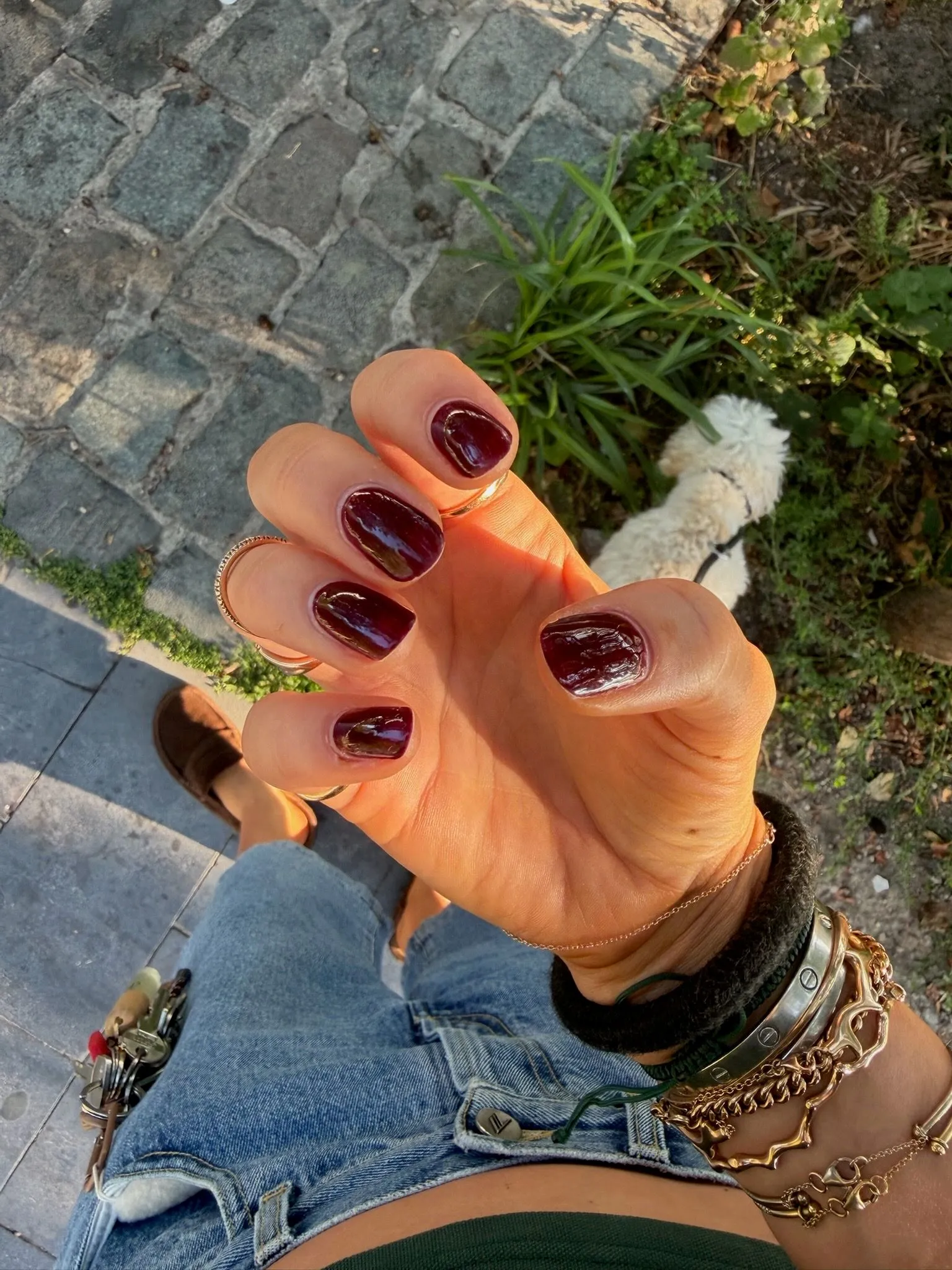

la marzelle
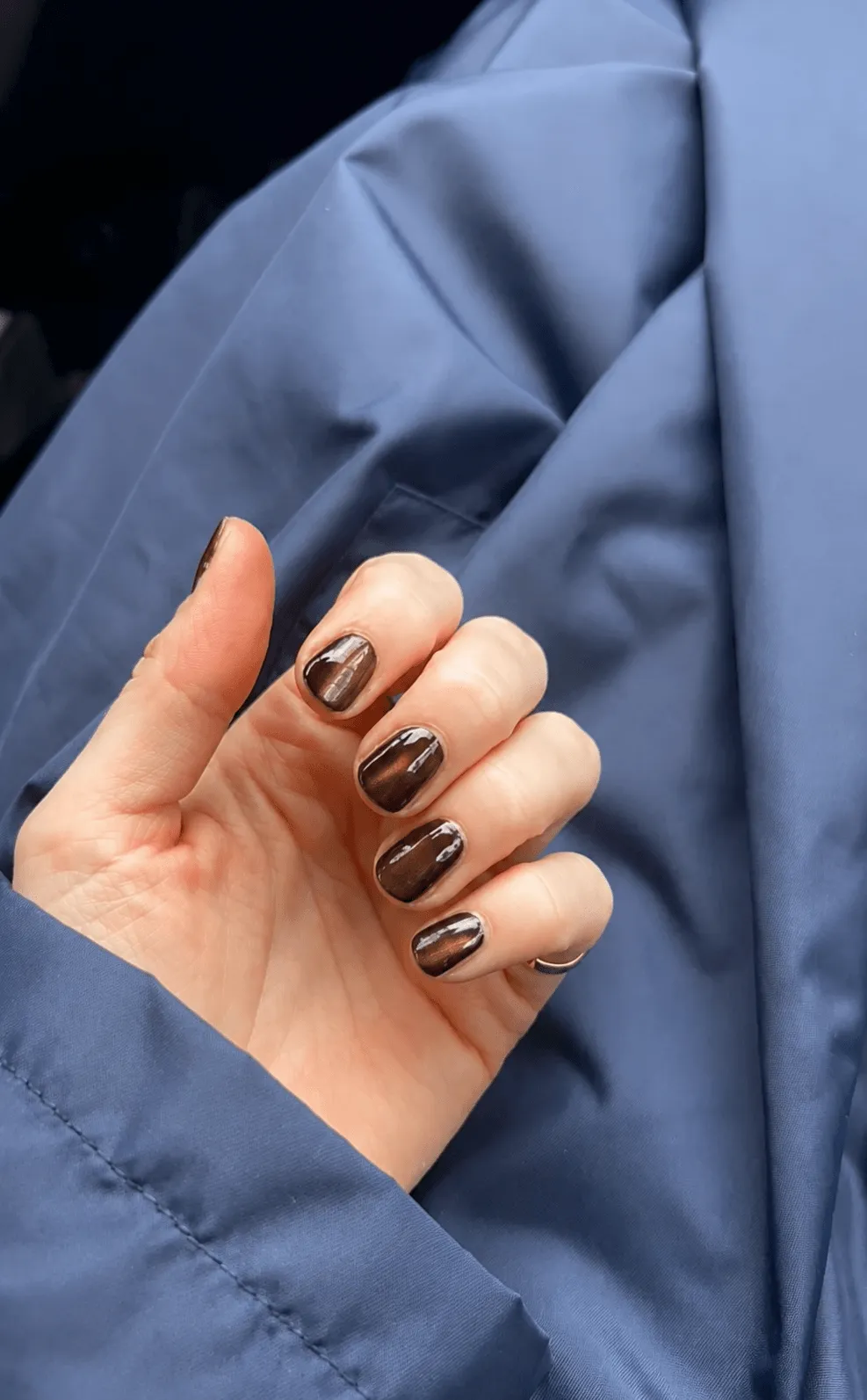

glass 04