

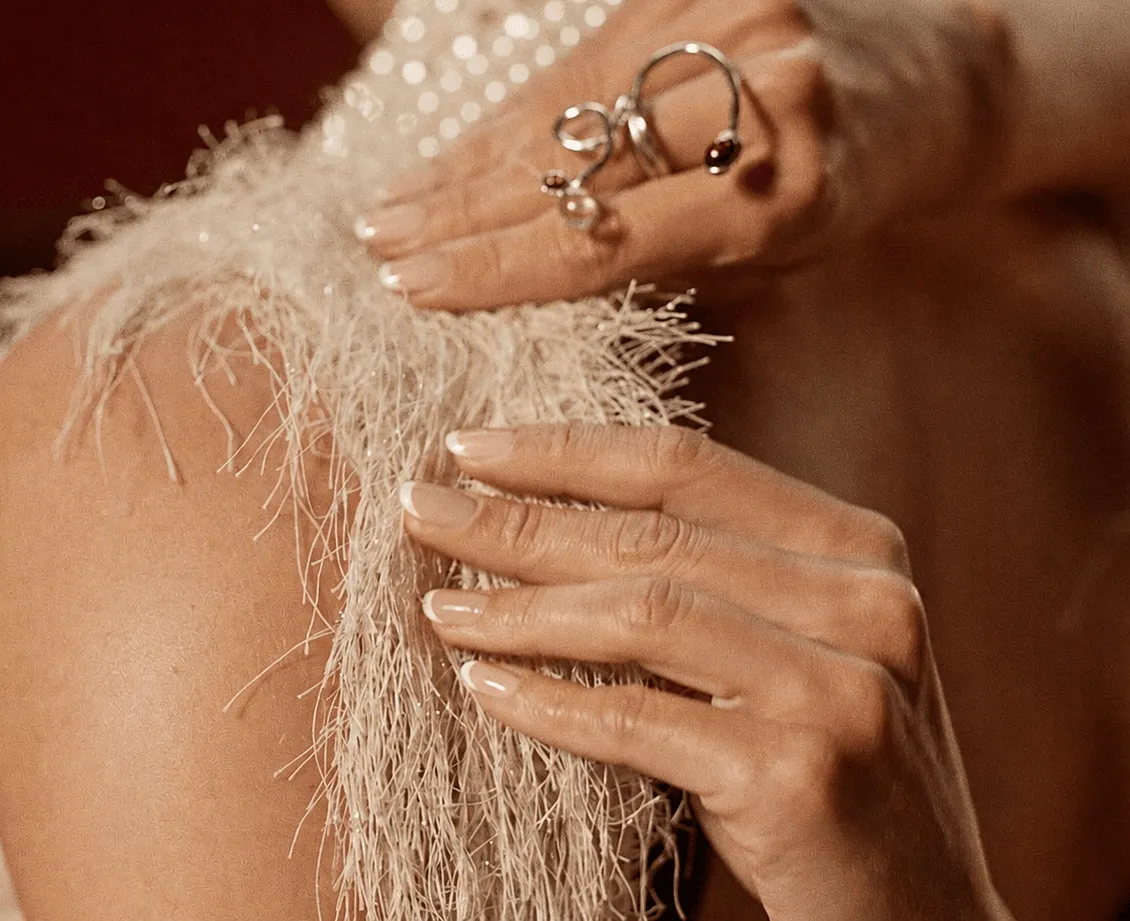
babyboom nails
The tip is still white, the base is still nude, but the line between them is gone. How to blend the softest manicure of the moment, dab by dab, with a retry whenever you need one.
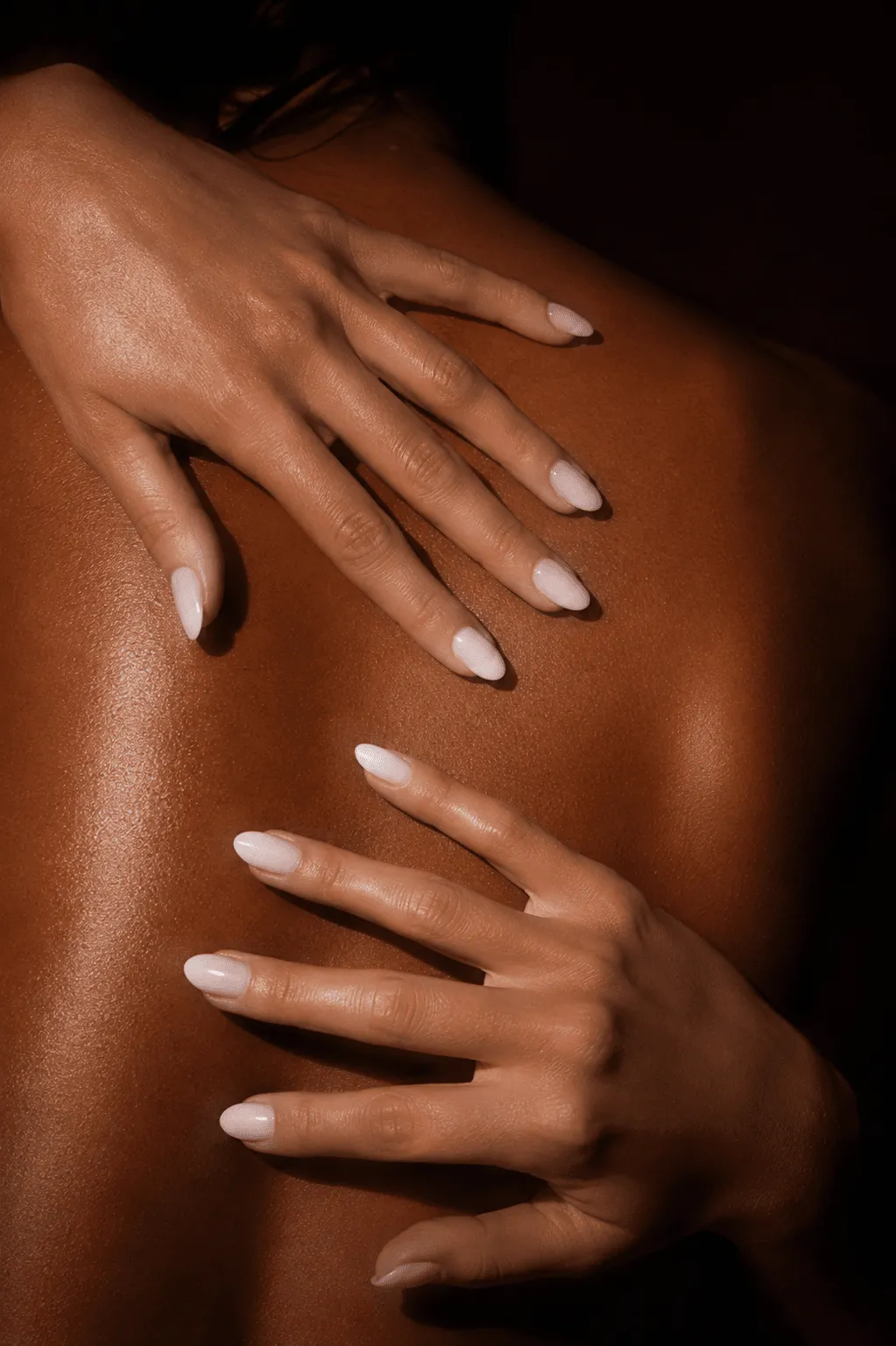
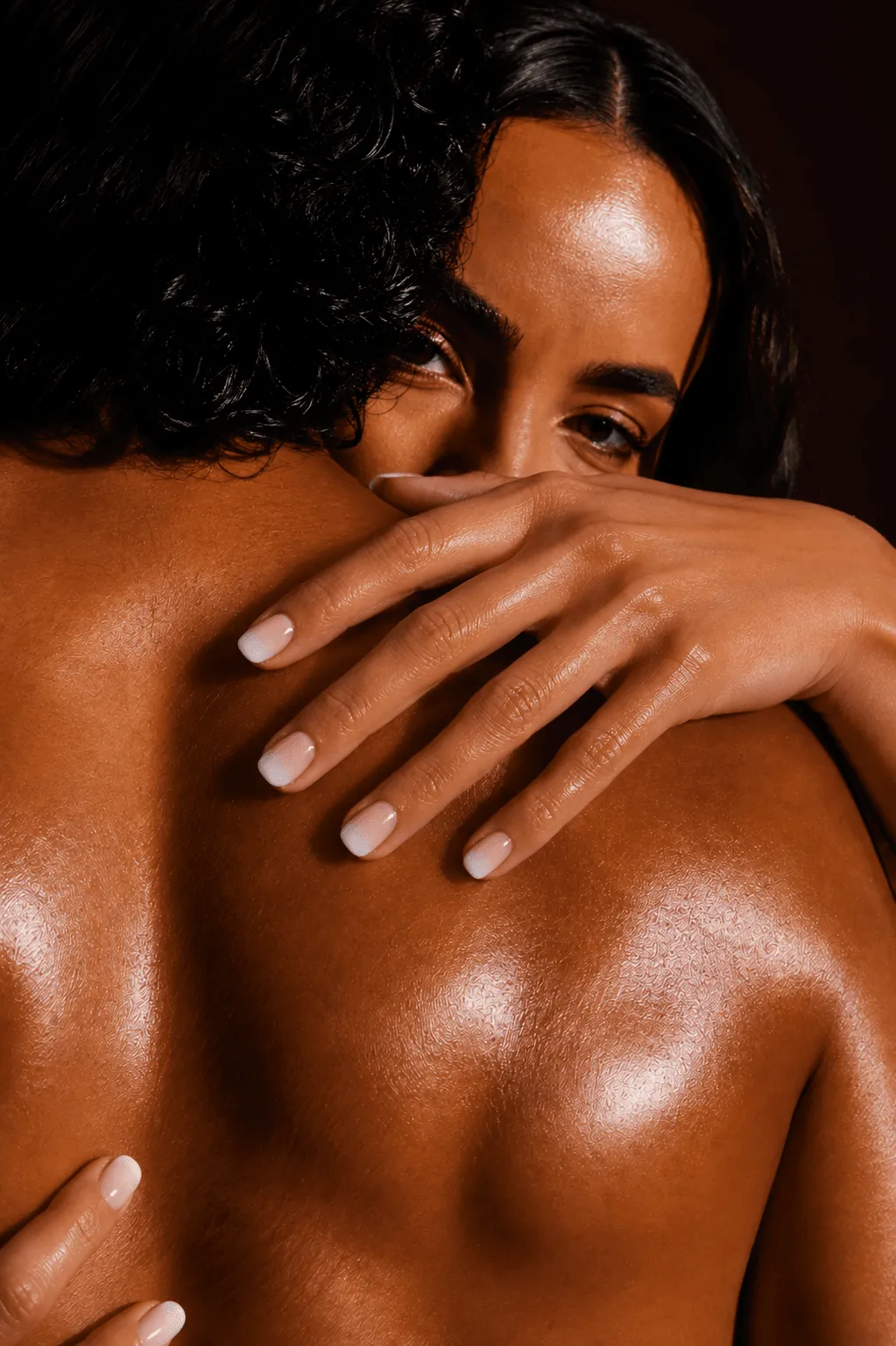
Babyboom nails are what happened when the french manicure learned to whisper. Same nude base, same white tip, but instead of a drawn line the two melt into each other: a soft, airbrushed gradient that looks less like nail polish and more like nails born lucky. It’s the quiet-luxury manicure of the moment, and it’s kinder to beginners than the french that inspired it, because a gradient forgives what a crisp line punishes.
what are babyboom nails?
The look grew out of the french manicure: keep the healthy nude base and the brightened tip, lose the hard smile line. The white fades downward into the nude, the way light falls rather than the way paint sits. The effect reads polished from across a room and effortless up close, which is exactly the trick, and why it’s become the default manicure for weddings, interviews and everyone whose style brief is "expensive, but don’t mention it".
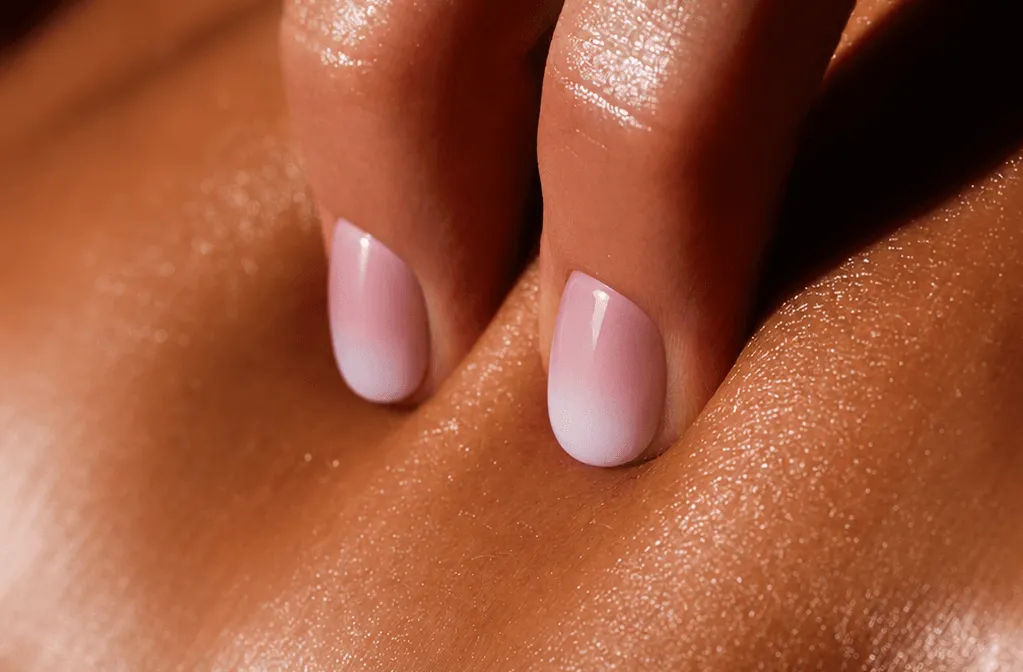
polished from across a room, effortless up close
the shades, the steps, the sisters
the shades that make the melt
Two decisions. A nude base close to your own nail tone, warm or pink, your call. And a soft white for the tip, softer is better, a stark white turns the gradient back into a border. The shortcut nobody gossips about: a sheer milky shade over your nude does half the blending for you, because sheerness is a gradient by nature. The nudes and milky sheers in the colour range cover both jobs.
babyboom nails in gel polish, step by step
Start where every manicure starts, with prep and your base coat, cured. Then two thin coats of your nude, each cured 30 seconds under the miure lamp. Now the gradient: dab the white along the free edge, then blend the border between the two colours while everything is still uncured. This is where a small nail art brush earns its keep: feather the transition with light, dry strokes until the line disappears, wiping the brush clean between nails. No art brush at hand? The tip of the bottle brush and a patient dabbing motion get you most of the way. Either way the gel polish advantage holds: nothing cures until the lamp, so a blend that went muddy wipes away and gets another try. Happy? Cure. For more depth, repeat the white pass once, higher contrast at the tip, same soft fade. Seal everything with the no-wipe top coat, free edge included, and the melt is locked in high gloss.
babyboom, french or soap nails?
Same family, three temperaments. The french is the sharp one: a drawn line, a statement of precision. Soap nails are the sheer one: milky all over, no tip story at all. Babyboom sits between them, the soft-focus version of the french, and the most forgiving of the three to do at home. If your hand is steady, go french. If your week is busy, go soap. If you want the manicure people ask about, this one.
what the melt takes
frequently asked questions
What’s the difference between babyboom and a french manicure?
The line. A french draws a crisp white smile line at the tip; babyboom blends the white into the nude so no line exists at all. Same ingredients, opposite finish: the french is a statement, babyboom is a suggestion.
Is babyboom hard to do yourself?
It’s the most forgiving tip look there is, because blur is the goal. The smoothest melt comes from feathering the border with a small nail art brush while both colours are still uncured, and the tip of the bottle brush gets remarkably close. And nothing cures until the lamp, so a blend you don’t like wipes away for a retry.
Which colours do you need for babyboom nails?
A nude close to your own nail tone and a soft white. That’s the whole shopping list. A sheer milky shade can replace the white for the subtlest version, it blends itself.
How long do babyboom nails last?
As long as any miure manicure, the gradient doesn’t change the maths: up to 12 days on the peel-off base, 14+ on the soak-off, with thin layers and a sealed free edge every time.