

designed to hold: the story of the miure cap
We put a lump of clay in fifteen pairs of hands and asked one question: what does control feel like? The answer became the cap, eight prototypes later, and this is how it happened.
Ask people why they hesitate to do their own nails and the answer is rarely the polish. It’s the hands: application feels like a skill you either have or don’t. We never accepted that, and it turned into the question that shaped this entire product: what if the product could compensate for technique? This is the story of the cap, and of the fifty pairs of hands that designed it.
it started with clay
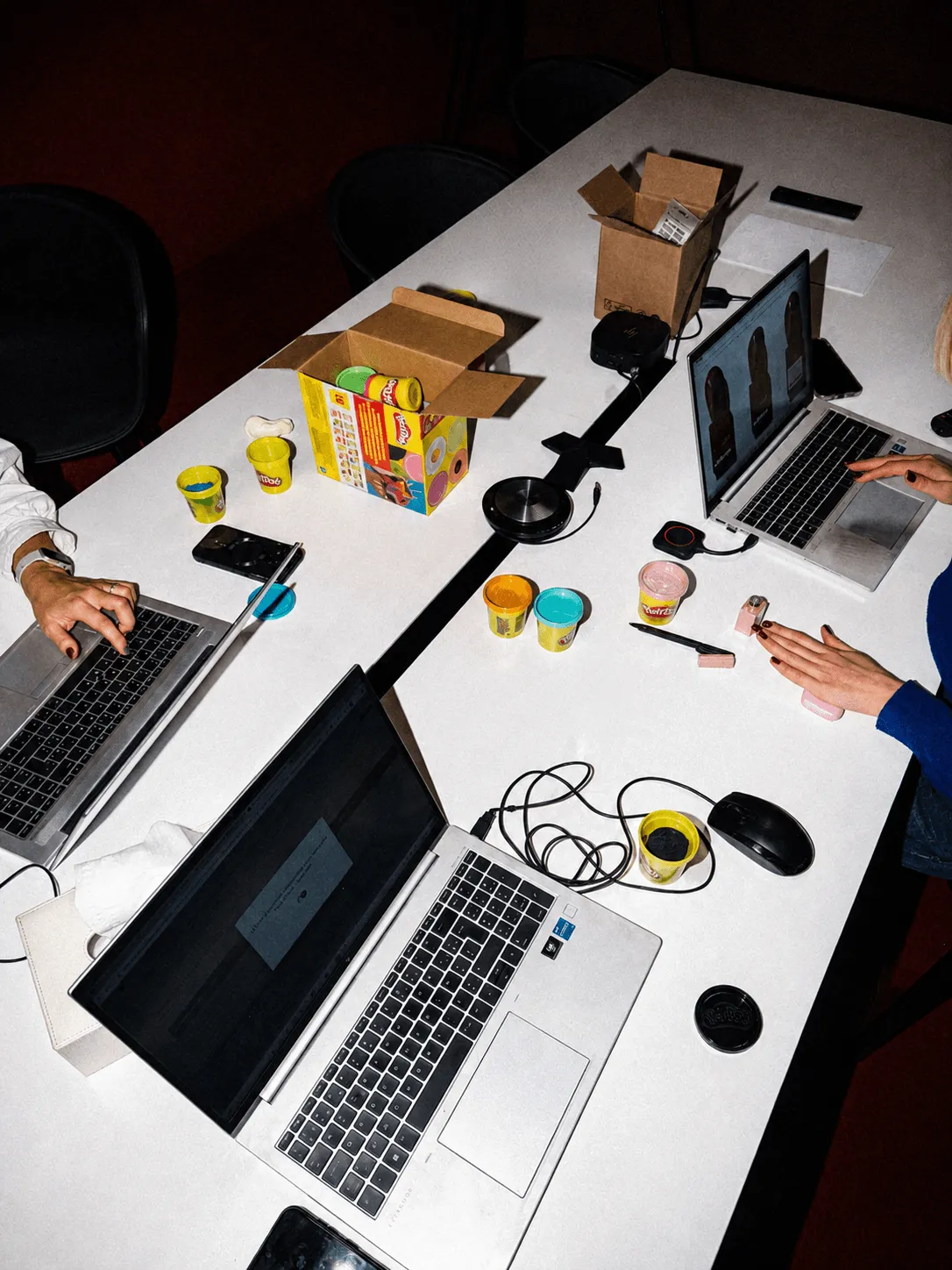
We didn’t design the cap at a desk. We invited fifteen people, none of them nail experts, and handed them modeling clay: shape the grip that feels natural in your own hand. No predefined form to react to, no right answer. And then something interesting happened: fifteen different hands kept arriving at the same shape. Thumb and index finger guiding the movement, middle finger stabilising at the back. Three points of contact. Control, it turns out, has a geometry.
control, it turns out, has a geometry
the clay, the thirty-five, and what the cap is not
then thirty-five more hands
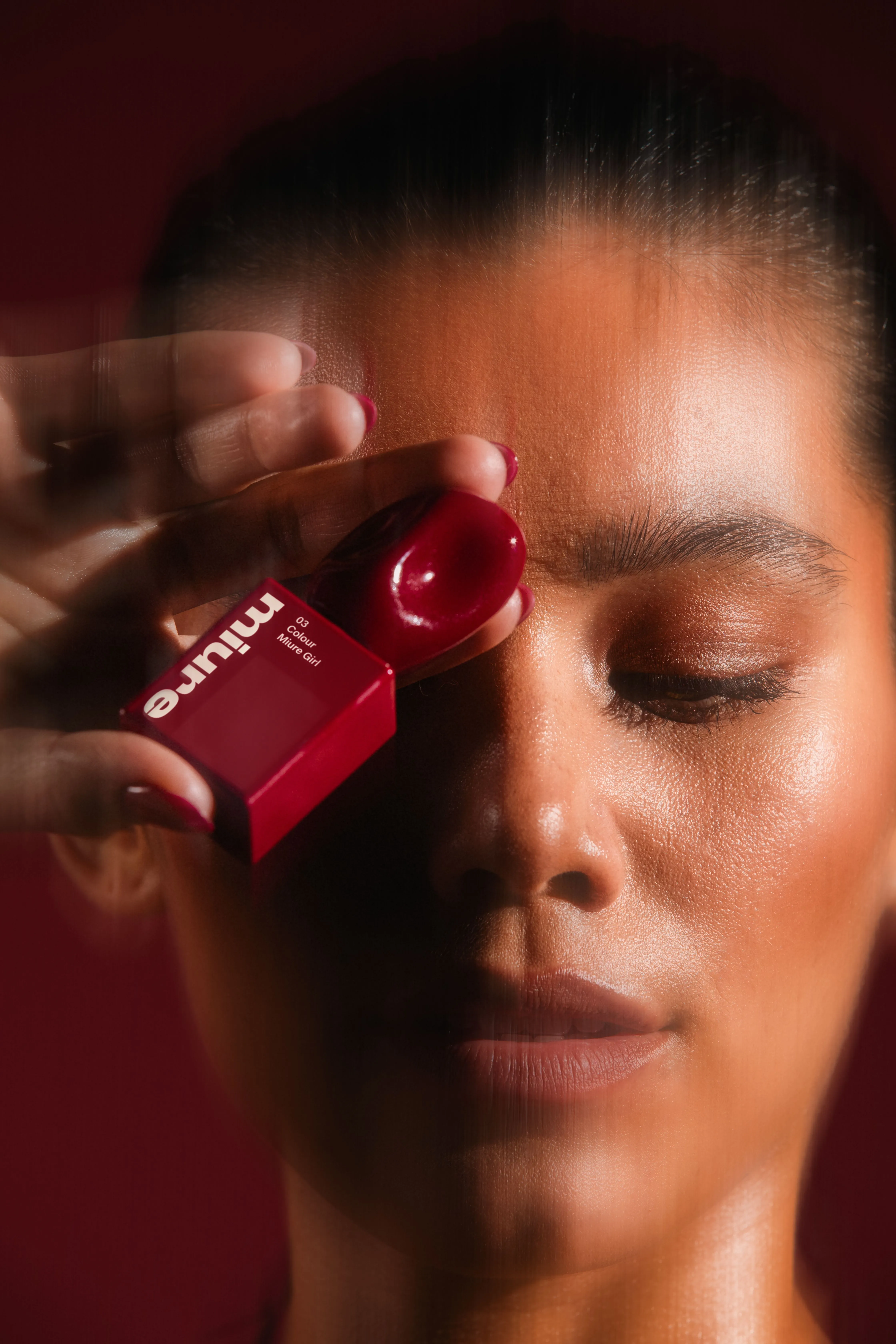
That three-point grip became the blueprint for the first 3D-printed caps, and those went straight into new hands: thirty-five testers this time, different hand sizes, left- and right-handed, because a home manicure is always painted by your good hand and your other one. Their feedback shaped three refined versions, and those were tested again. Eight prototypes in total before one design kept winning on the same two words: balance and control. That’s the cap on every miure bottle today.
the cap is a third of the story
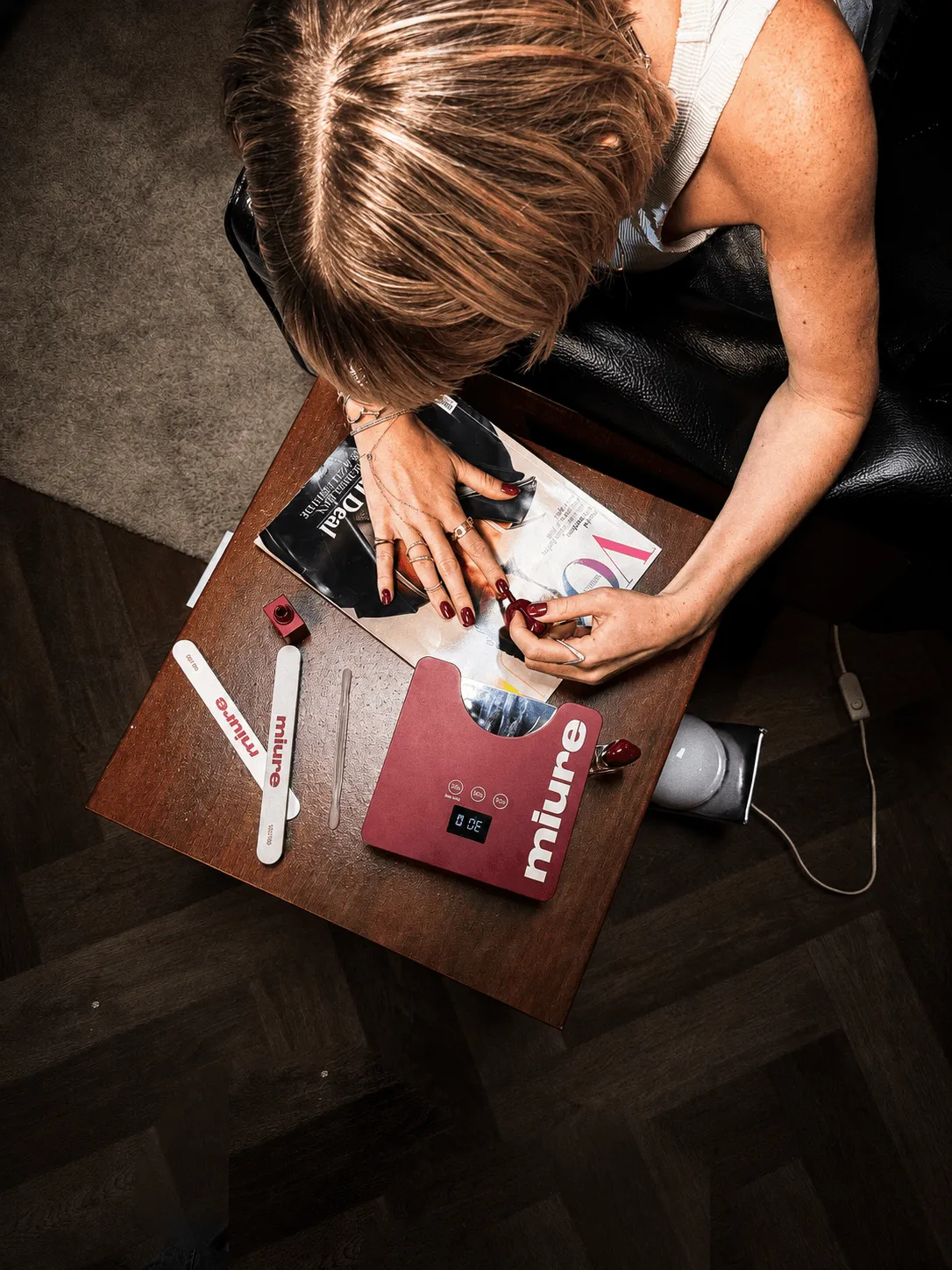
Control was engineered into the whole trio. The cap holds your hand steady. The brush is shaped to open across the full nail, wide and fanned, and to carry just enough product rather than too much, so one stroke already covers everything and there is no second pass to go wrong. And the formula was made deliberately fluid, closer to a regular nail polish than you would expect from a gel, so it moves easily under the brush, and self-levelling enough that it settles inside its own edges instead of running into your cuticles. Three design decisions, one belief: a beautiful manicure should never depend on your technique. The routine does the rest.
every bottle wears it
frequently asked questions
Why does the miure cap have this shape?
It’s built around a three-point grip: thumb and index finger guide the movement, your middle finger stabilises from the back. The shape came from real hands: fifteen people sculpting their ideal grip in clay, thirty-five more testing the prints, and eight prototypes of refinement.
Does the cap work for left-handed use?
For both hands, by design. A home manicure is always painted by your good hand and your other one, so the prototypes were tested left- and right-handed, across hand sizes. Balance and control were the criteria, whichever hand is holding the brush.
What else is designed for control?
The brush and the formula. The brush opens across the full nail and holds just enough product that one stroke covers it, so there is nothing to correct afterwards. The formula is fluid enough to move easily under that brush and self-levelling enough to stay out of your cuticles. Together with the cap, they carry the same promise: a beautiful manicure should never depend on your technique.