

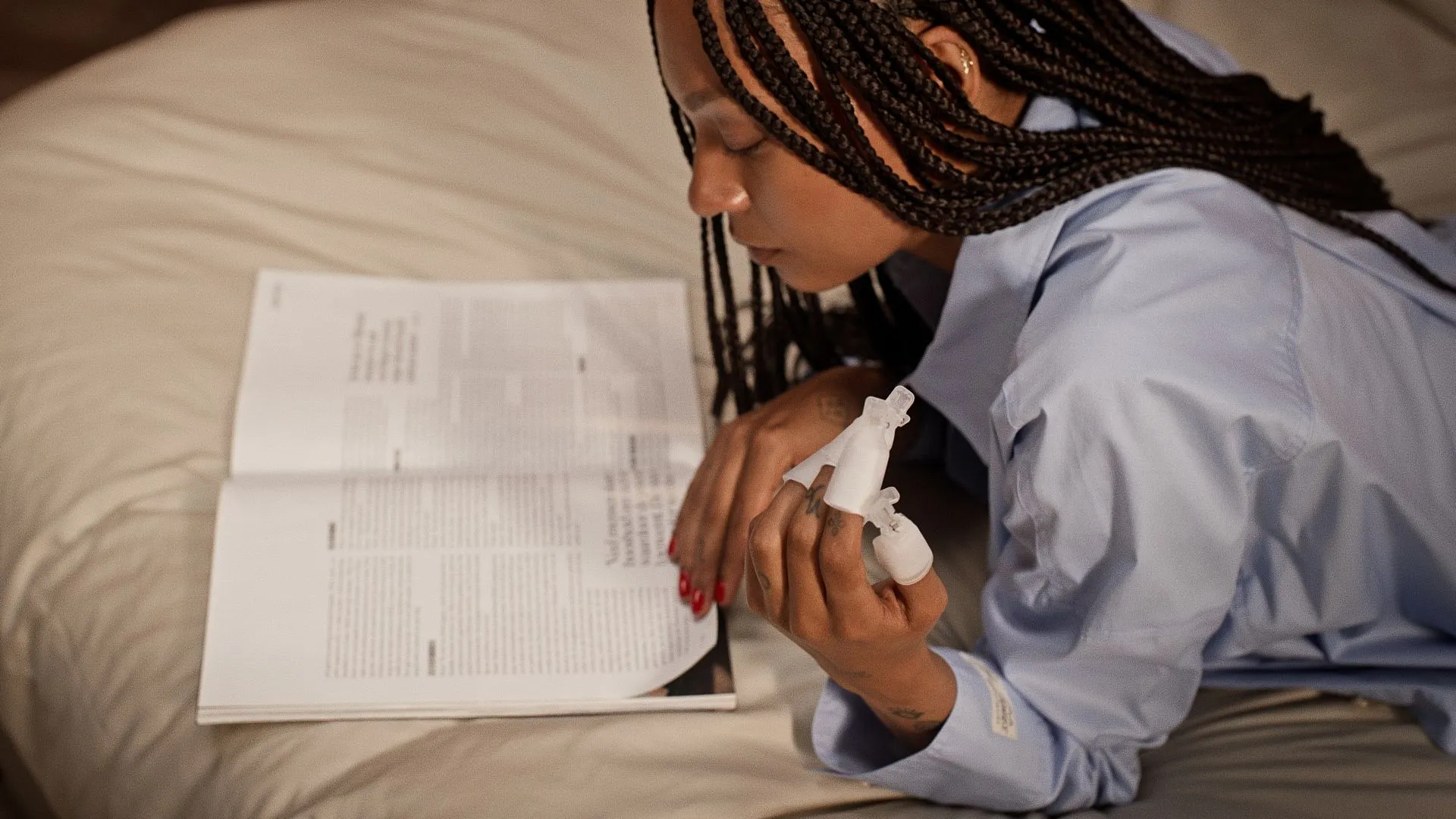
is gel polish bad for your nails?
Damage is real, but it happens at the end of a manicure rather than during it. What causes it, which worries turn out to be myths, and the habits that make it a non-issue.
It is the question everyone asks before their first manicure and the one most answers dodge. The short version: gel polish itself does not damage nails, and almost every damage story traces back to how the colour came off rather than how it went on. Here is the long version, including which worries are real, which are myths, and what to do about the ones that are real.
the short answer, and where the story comes from
Damage comes from force. Picking at a lifted edge, scraping a manicure off the nail plate, or peeling off something that was designed to be soaked: all three take layers of nail with them, and all three happen after the manicure rather than during it. That is why so many people have a story, and why the story is almost never about the polish. Done properly, your natural nails come out the way they went in.
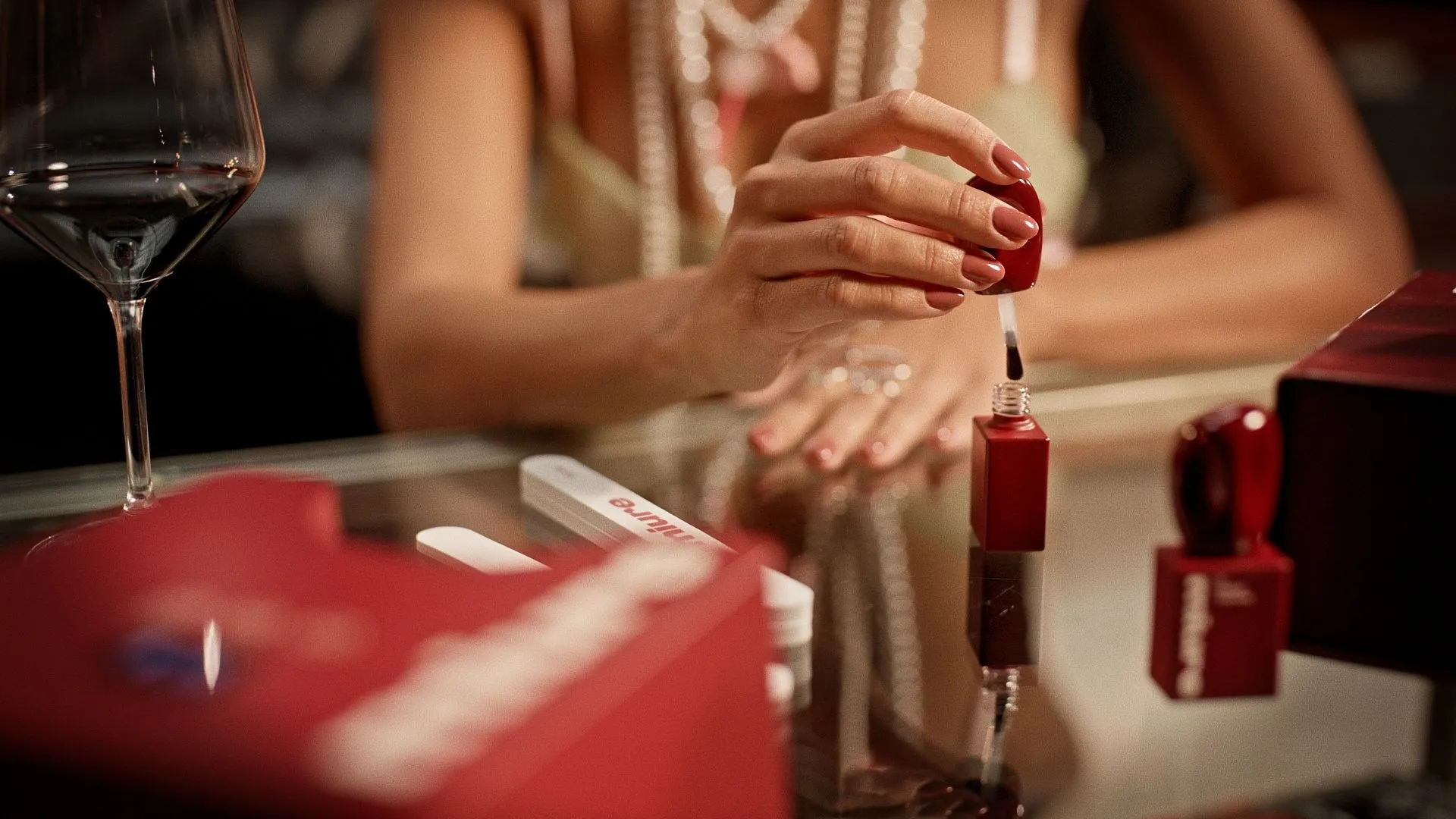
damage comes from force
what damages, what doesn’t, and how to wear it for years
what actually damages a nail
Three things, in order of how often they happen. Removing a soak-off manicure by force, which is the big one. Filing the nail plate rather than the polish, whether during prep or at removal. And picking, which is the same as the first two but slower and easier to do without noticing. The removal guide walks through both correct methods, and the peel-off base exists precisely so that the most common mistake becomes impossible: it is designed to let go, so there is nothing to force.
what doesn’t
Nails are not alive at the surface and they do not breathe, so a manicure is not suffocating anything. Curing does not harm the nail plate. And wearing colour continuously is not, by itself, a problem. What is true is that nails feel different straight after a removal, softer and more flexible for a day or so, which is dehydration rather than damage, and which a drop of cuticle oil answers. And the lamp itself: it cures with long-wave, low-energy UVA, for about a couple of minutes across a whole manicure, and produces no UVB. The lamp article has the full answer and the two easy options if you’d rather take extra care.
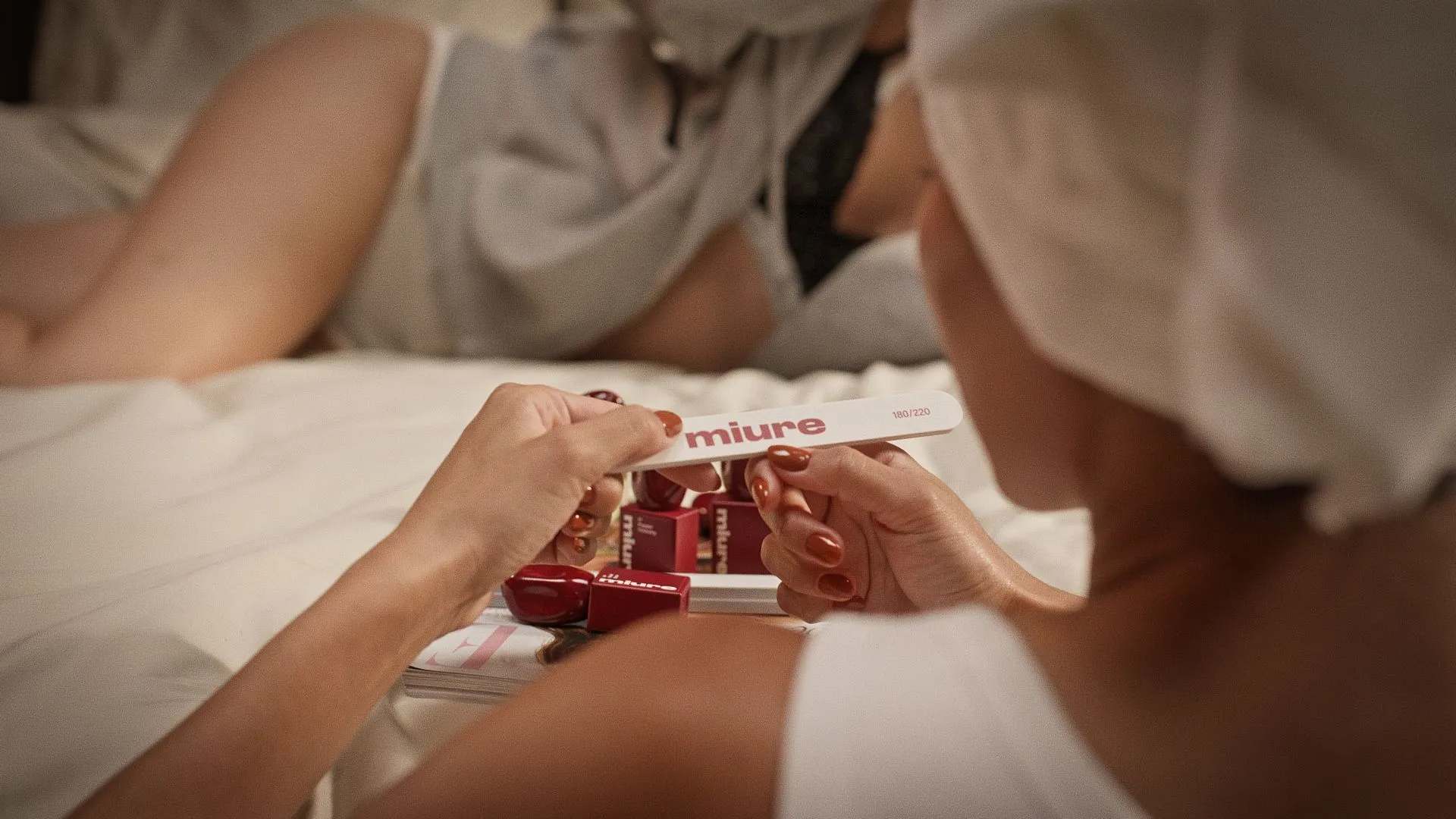
how to wear it for years
The habits are unglamorous and they are the whole answer: prep properly, work in thin layers, seal every free edge, and remove by the method that matches your base. Add cuticle oil in the evenings and the nail hardener when your nails ask for it. Take a round off when they feel like they need one, on a signal rather than a schedule. That is the entire list, and none of it is about the colour.
what protects them
frequently asked questions
Does gel polish thin your nails?
Not the polish. Thinning comes from the nail plate being filed or forced during removal, repeatedly. Keep the file on the polish and never on the nail, and remove by the method your base was built for, and there is nothing to thin.
Do nails need to breathe between manicures?
No, and this is the most persistent myth in nail care. The visible nail is not living tissue and takes nothing from the air. Breaks are still worth taking, just for a different reason: because your nails sometimes feel like they want one. The care page covers what to do with that time.
Why do my nails feel thin right after removal?
Because they are temporarily softer and more flexible, not thinner. A drop of cuticle oil per nail, worked in, is the answer, and it doubles as the start of the next manicure’s success. If it still feels wrong after a few days, that is worth a longer break and the nail hardener.